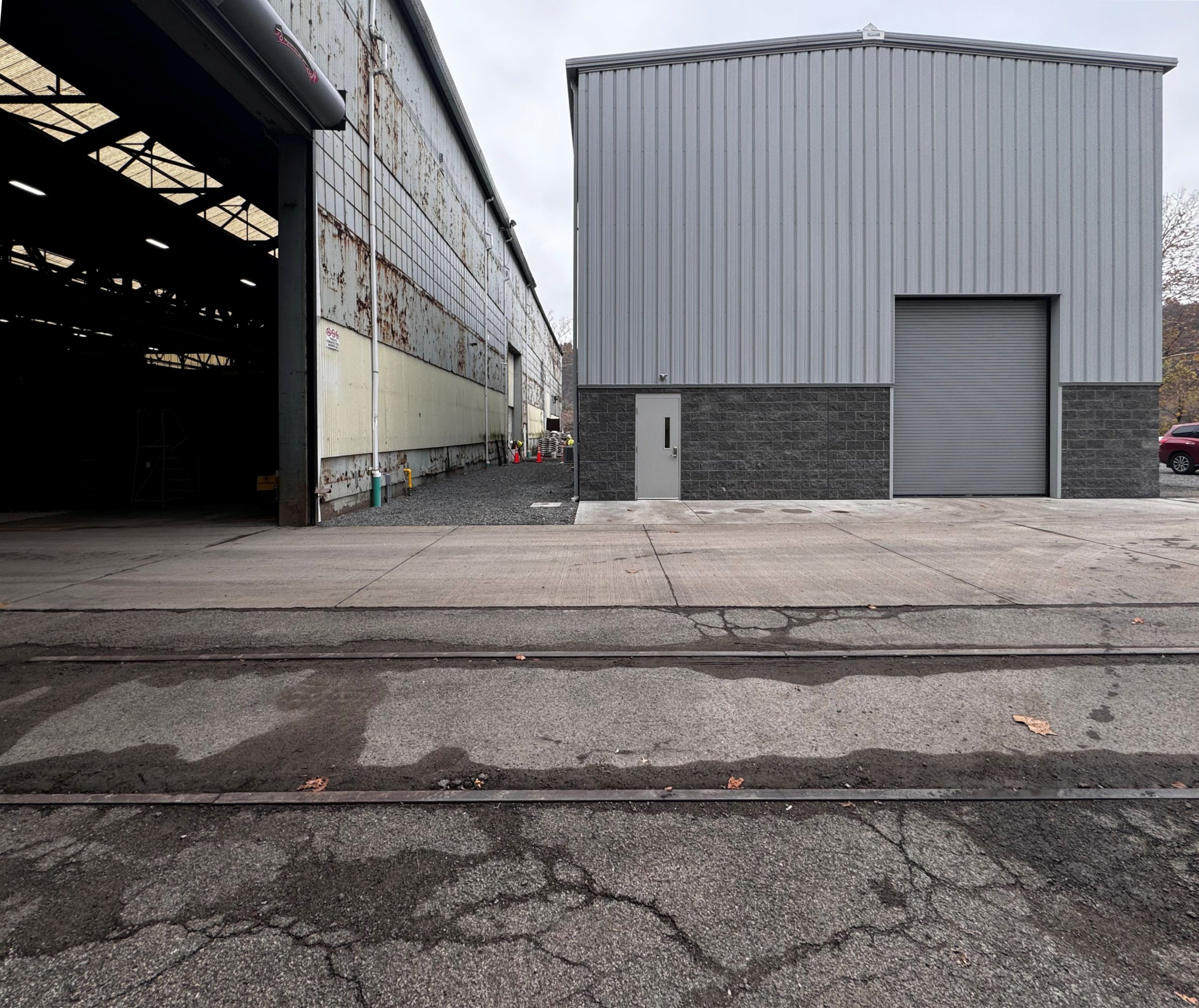
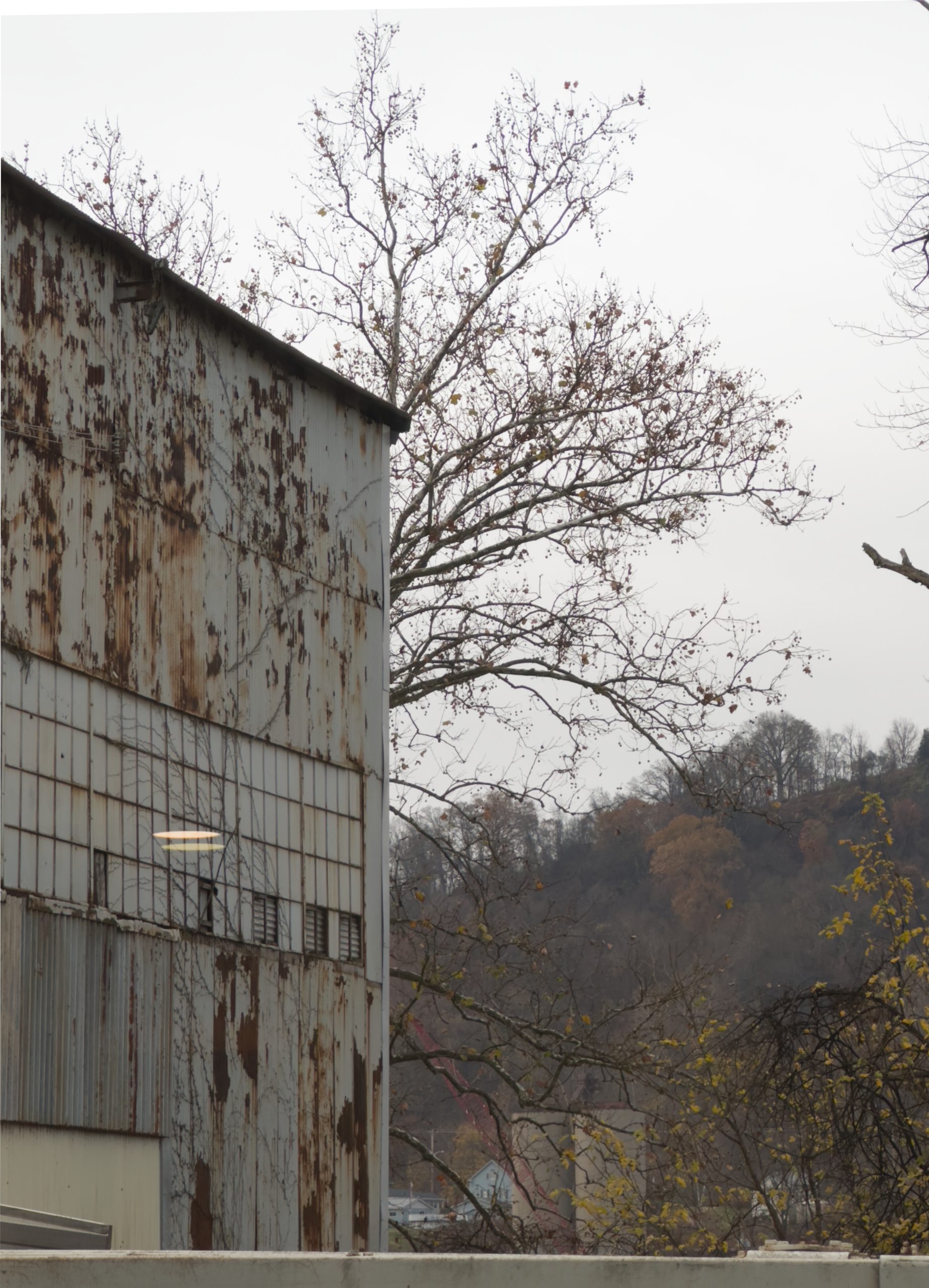
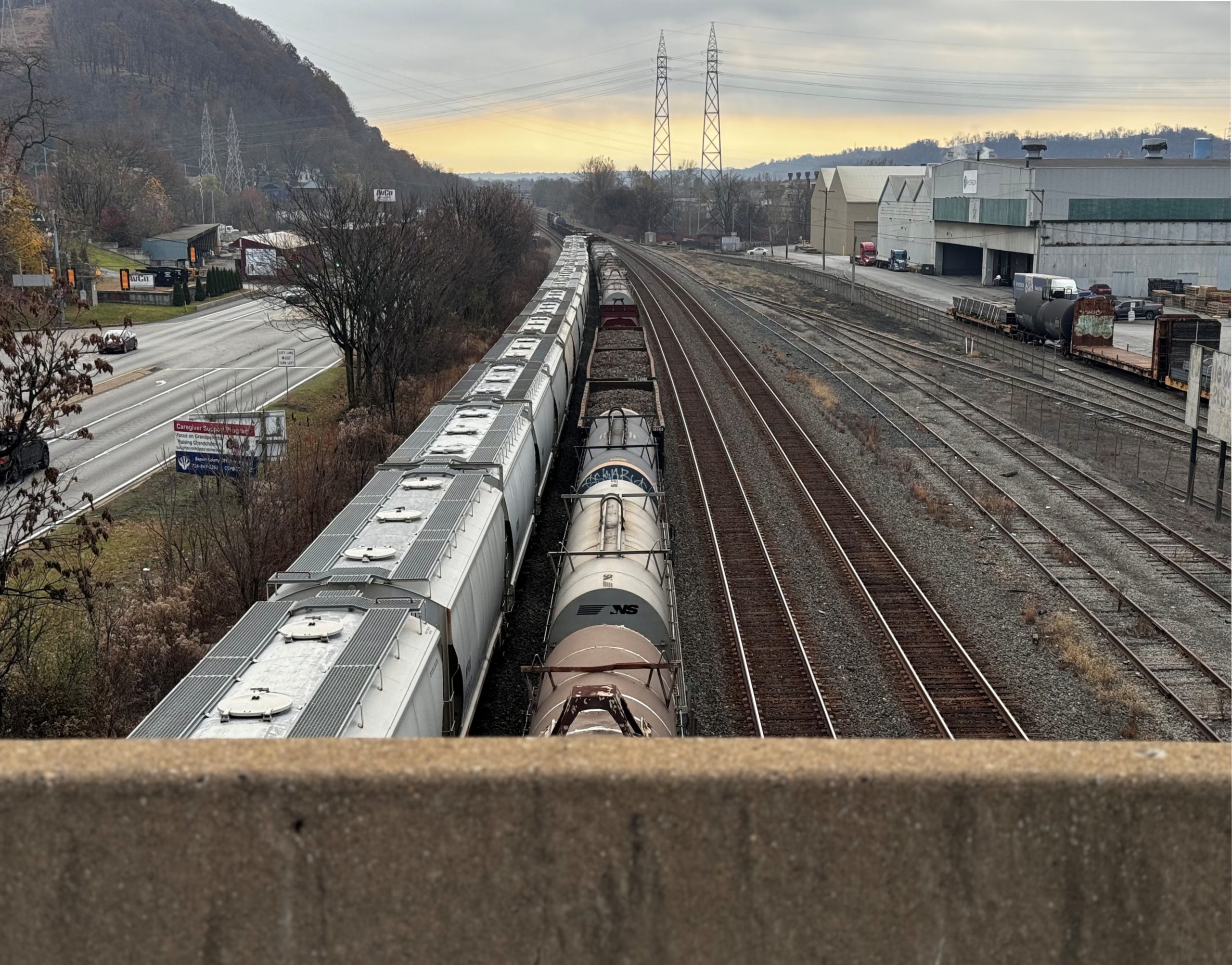
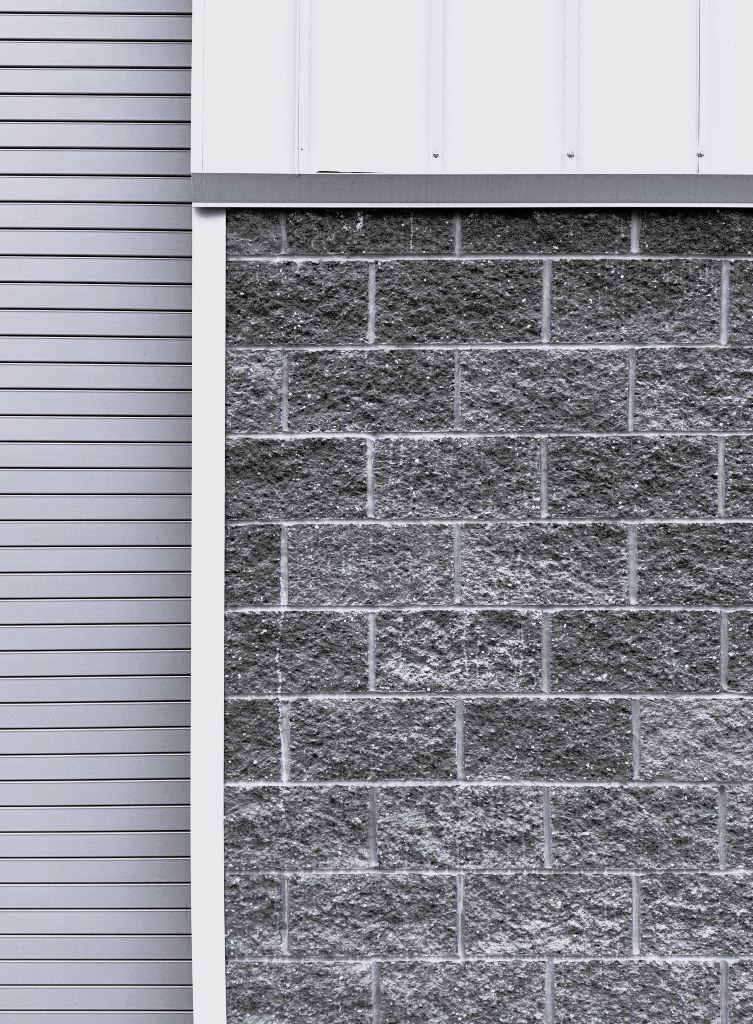
Located along the Ohio River in the industrial district northwest of downtown Pittsburgh, the Metals USA facility sits within a landscape shaped by the city’s legacy of steel production. This context informed an architectural response rooted in functionality, efficiency, and respect for the site’s working industrial character.
In partnership with DiMarco Construction, our team delivered a collaborative design-build expansion to support Metals USA’s growing operational needs. The project introduces a compact yet impactful addition that enhances daily life for employees while integrating seamlessly with the existing manufacturing campus.
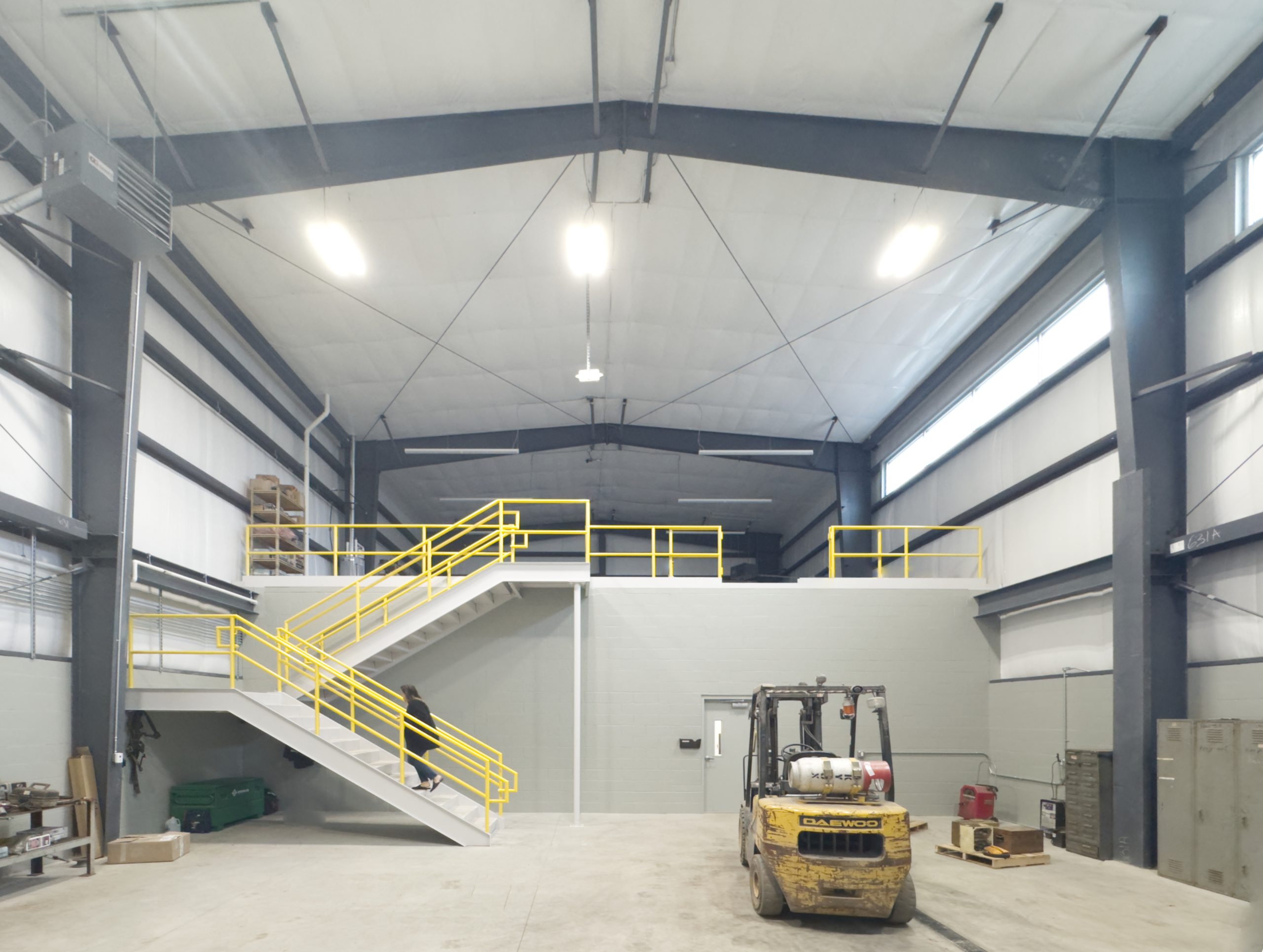
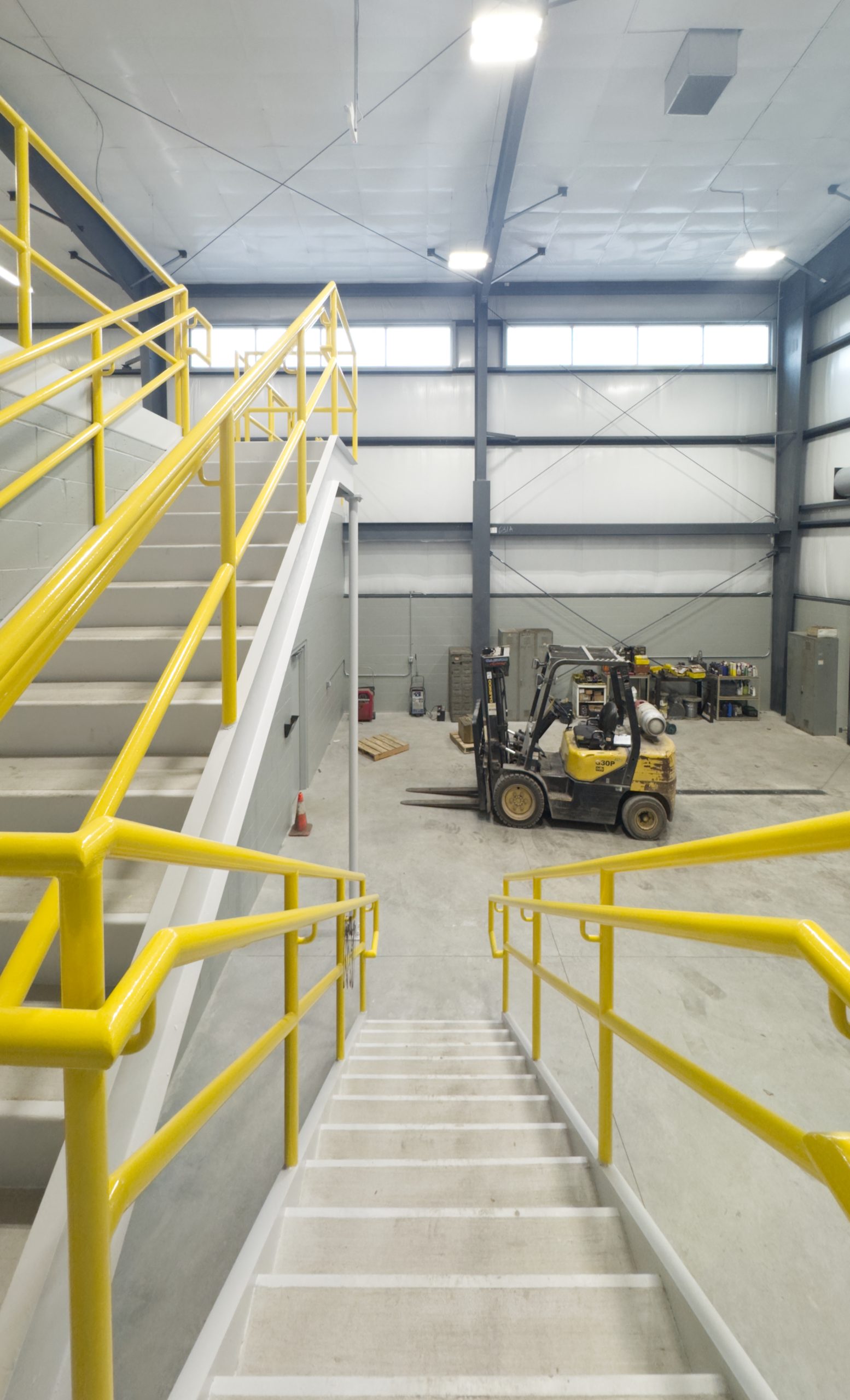
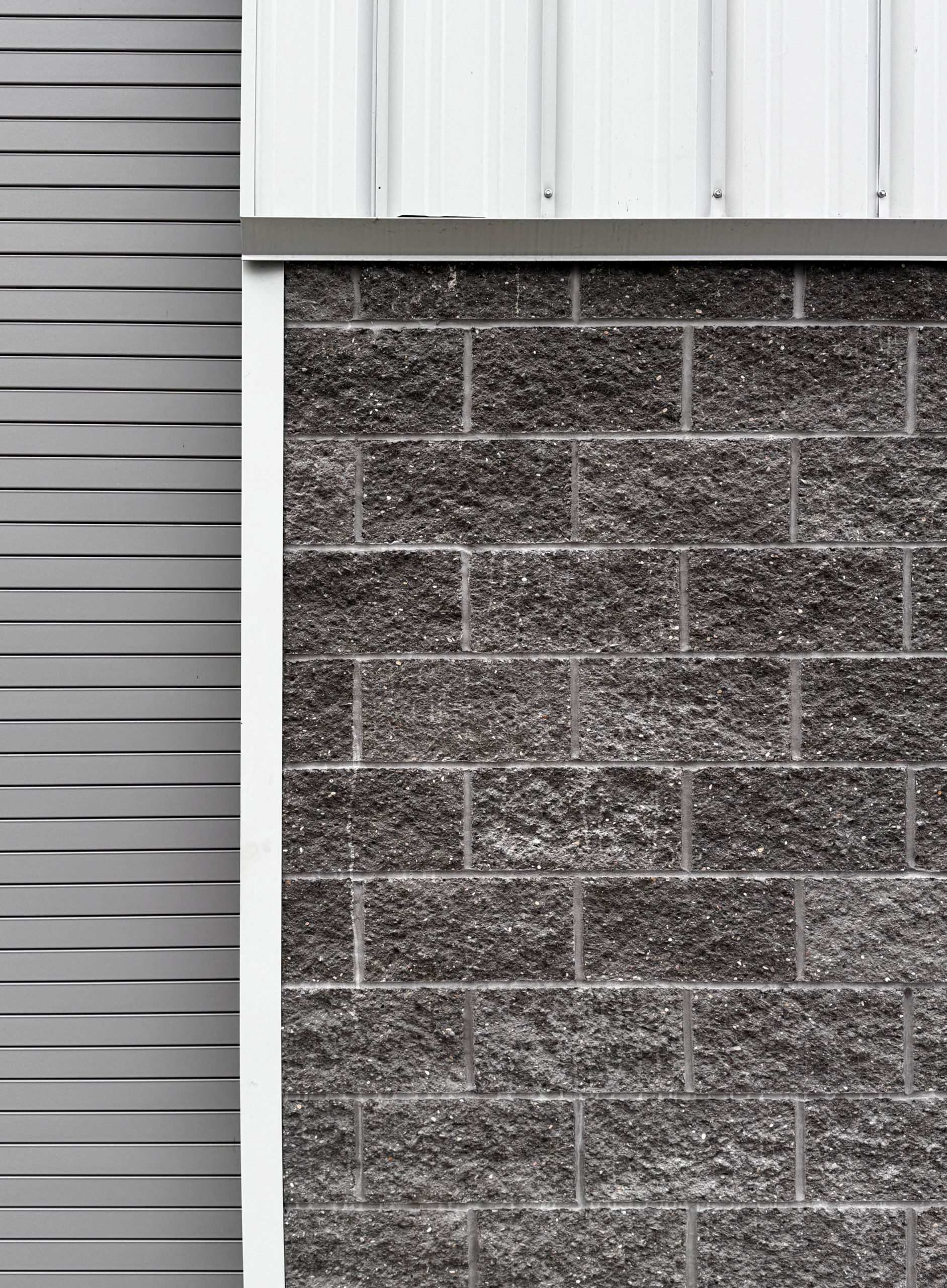
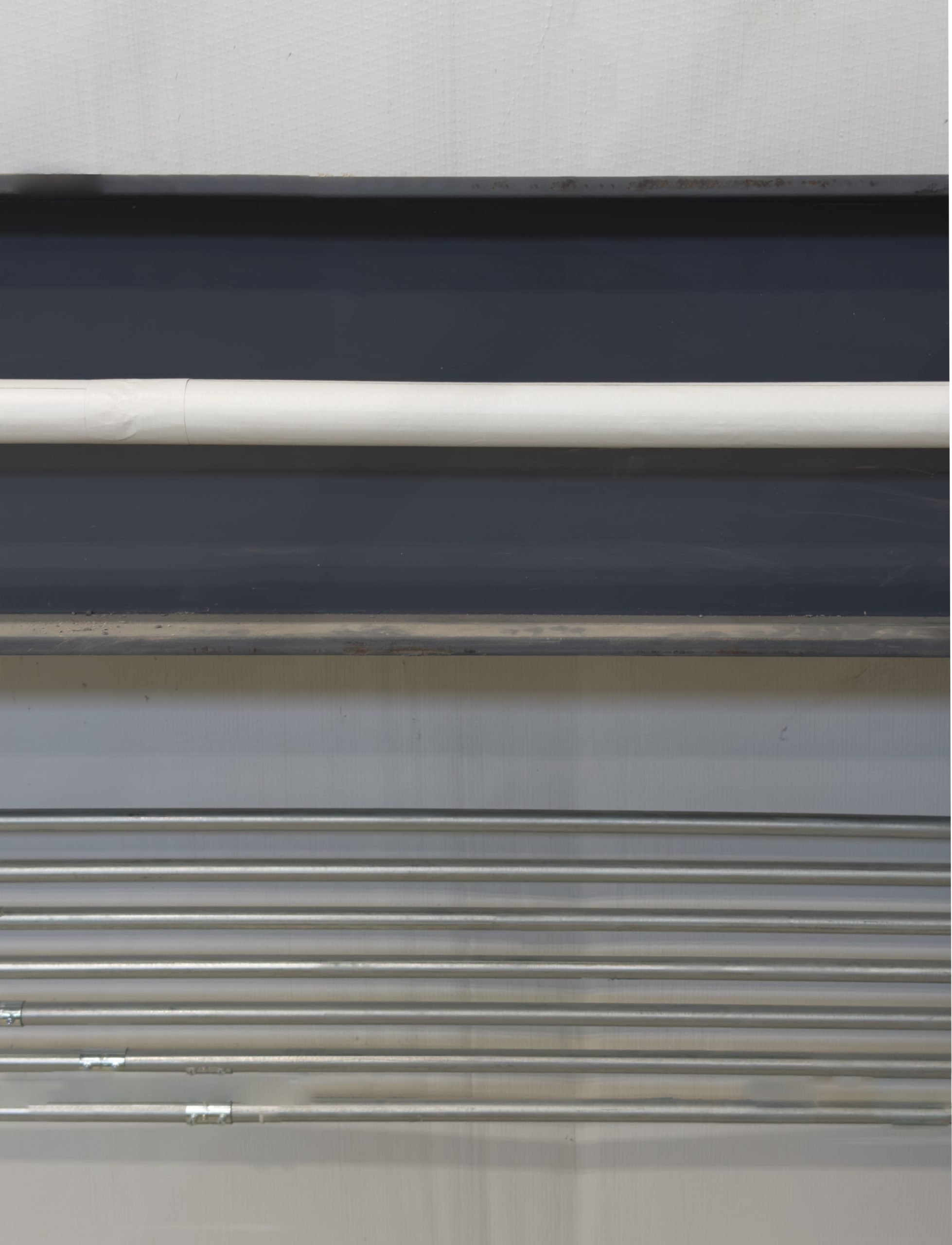
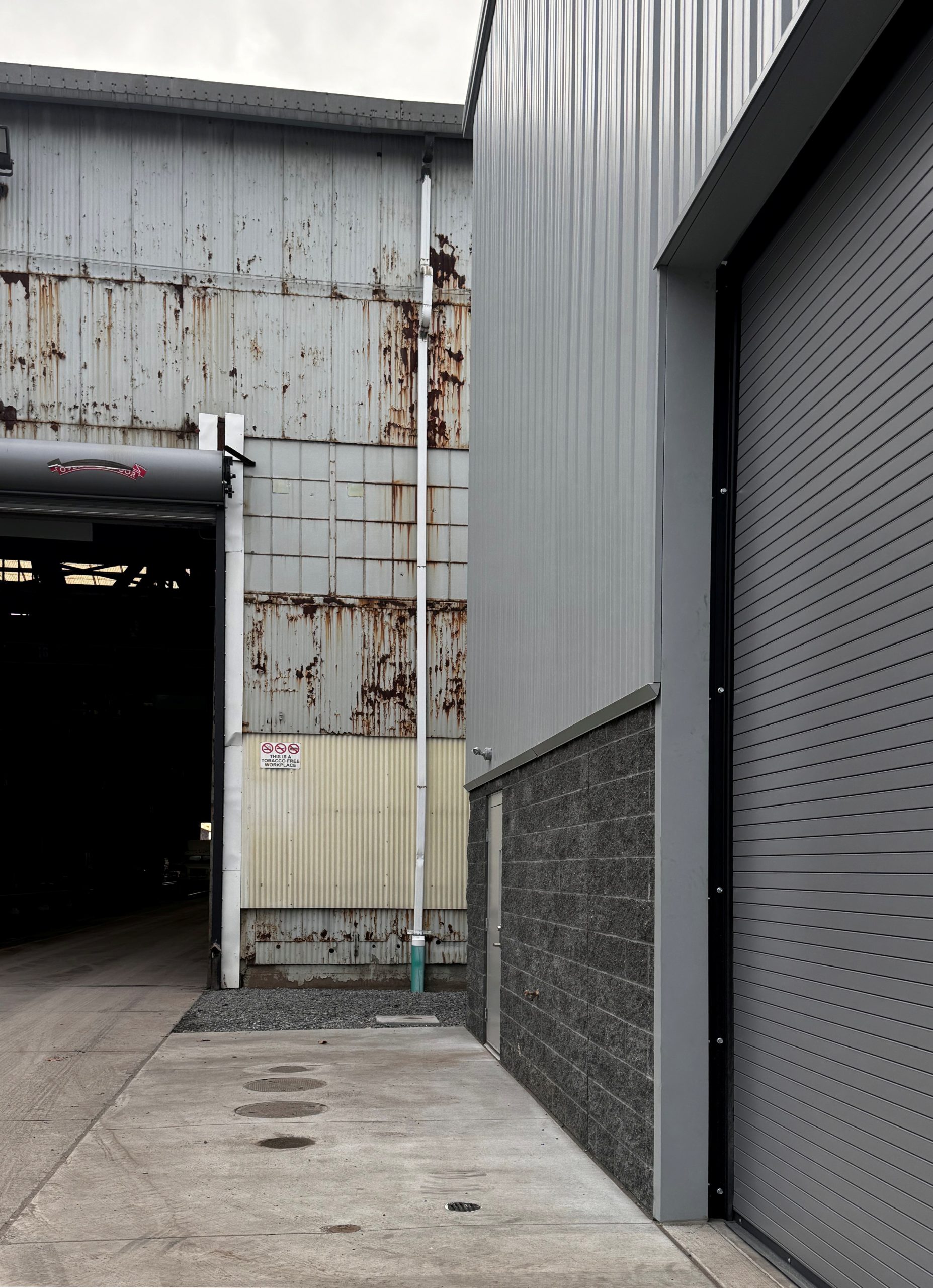
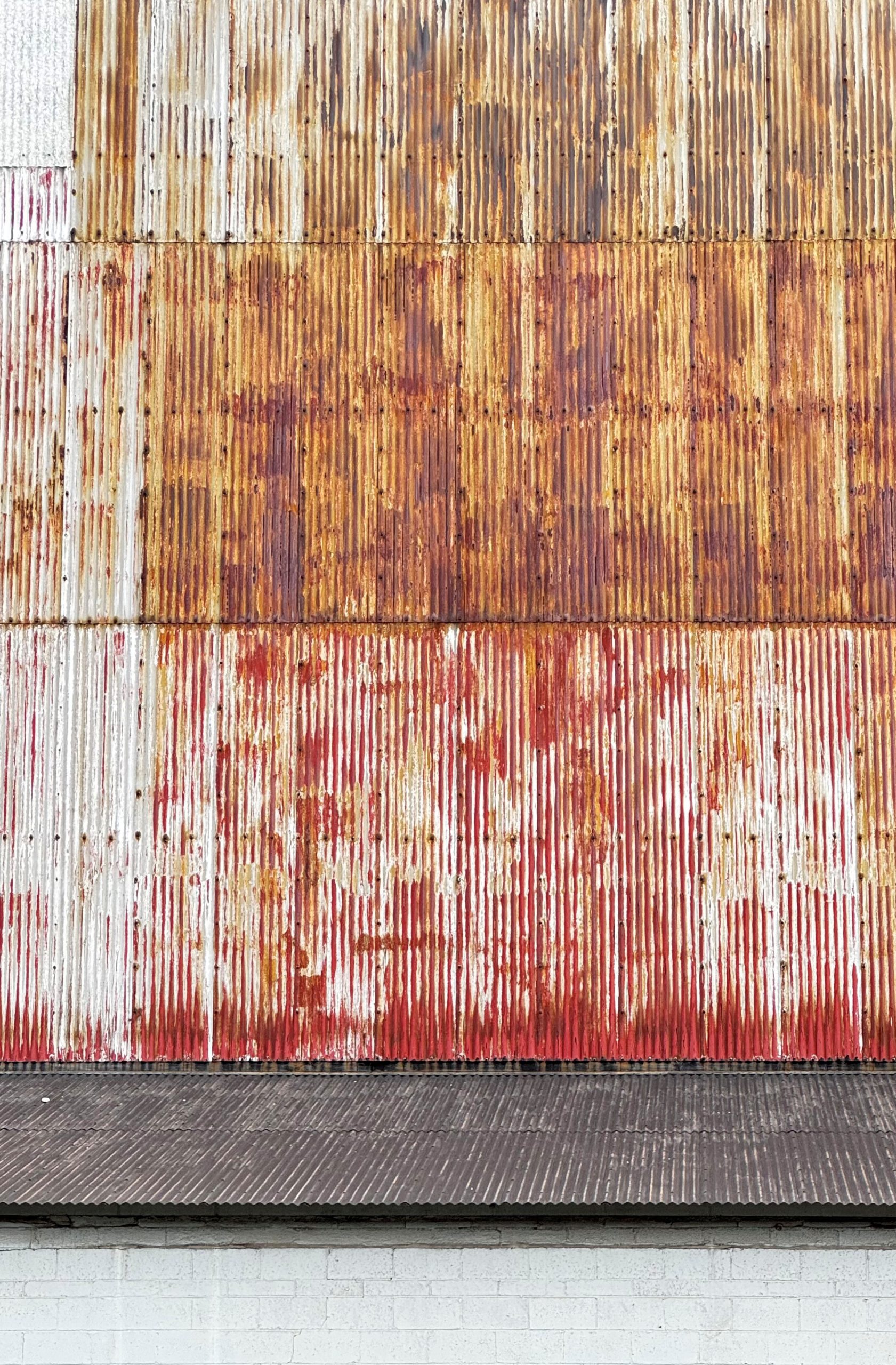
The new two-story metal building houses a combination of open warehouse space, a storage mezzanine, offices, locker rooms, break areas, and a dedicated maintenance bay. Despite its modest footprint—approximately 5,000 square feet in contrast to the existing 550,000 square feet of industrial production and warehouse space—the addition is carefully positioned and proportioned to function efficiently within the expansive site. The building is appended along the length of the existing weathered metal structure, preserving critical vehicular circulation and access to both existing and new service bays.
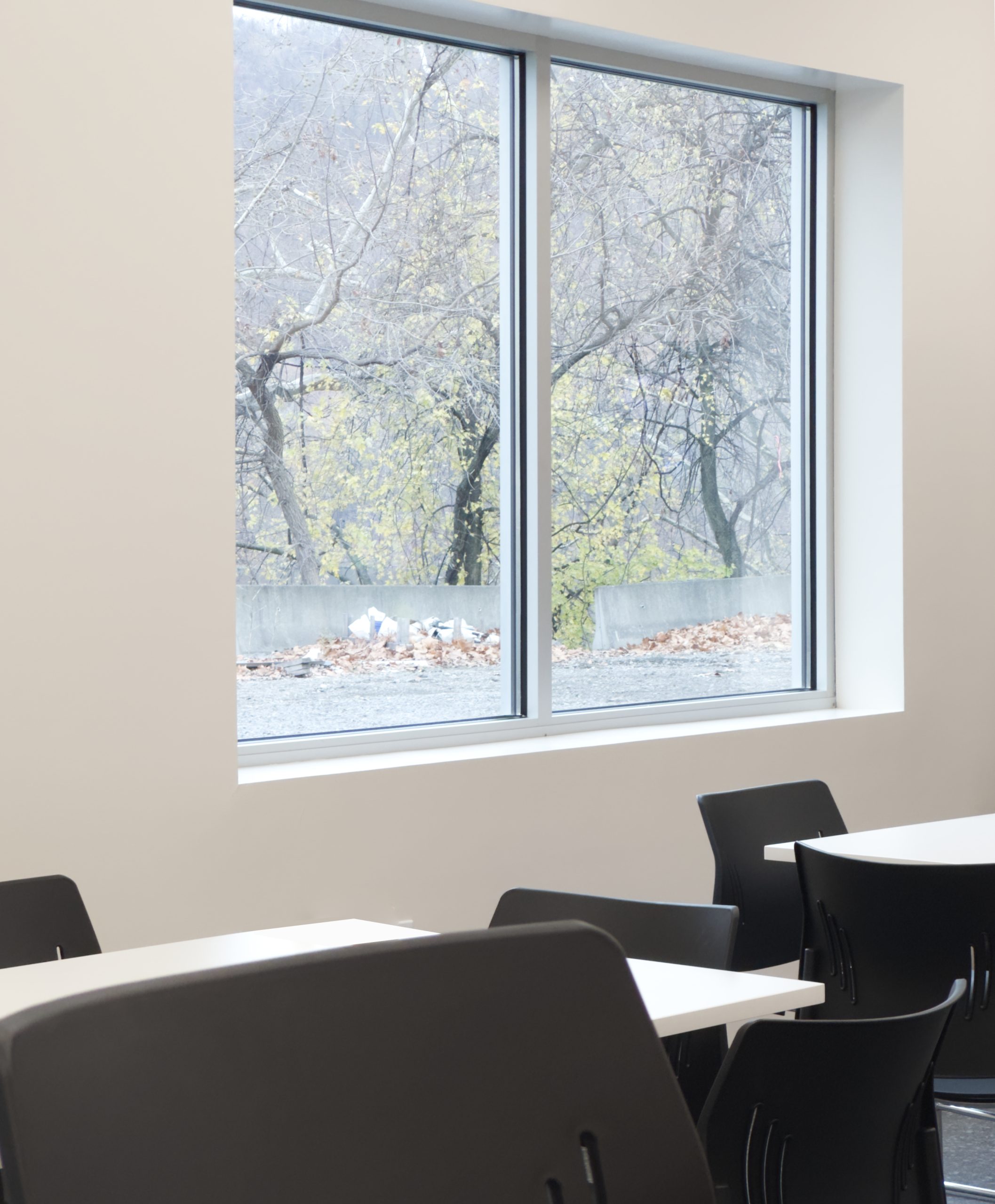
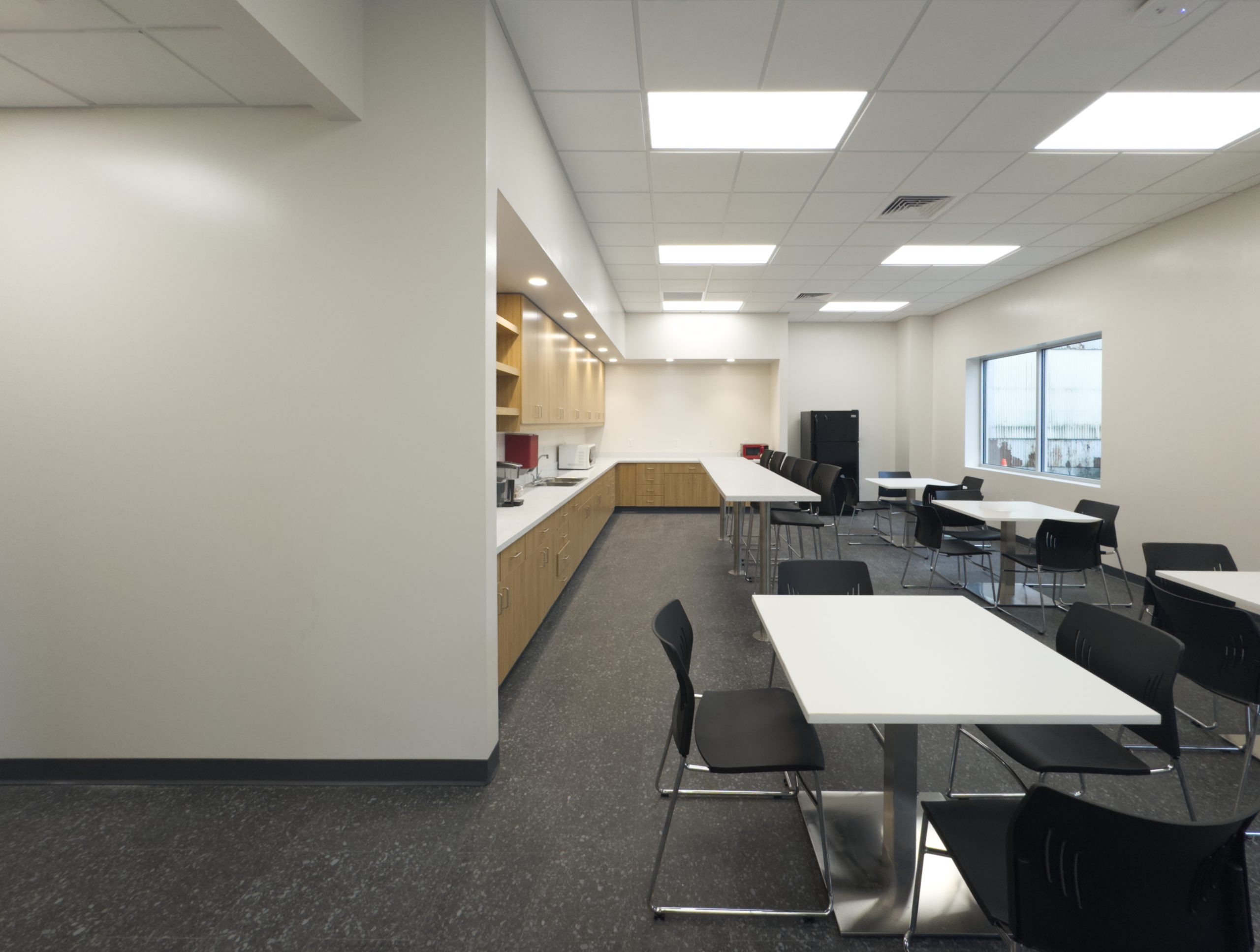
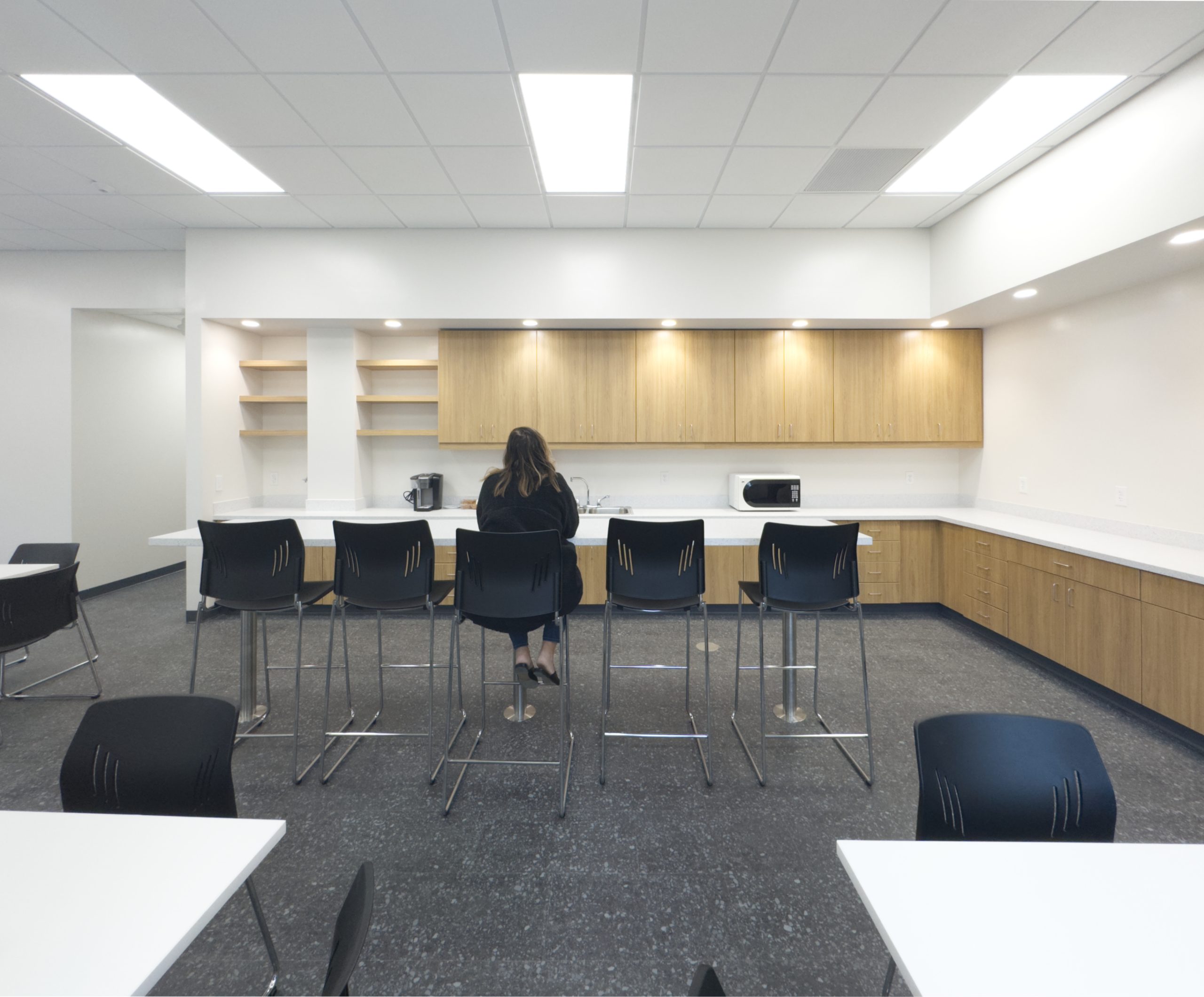
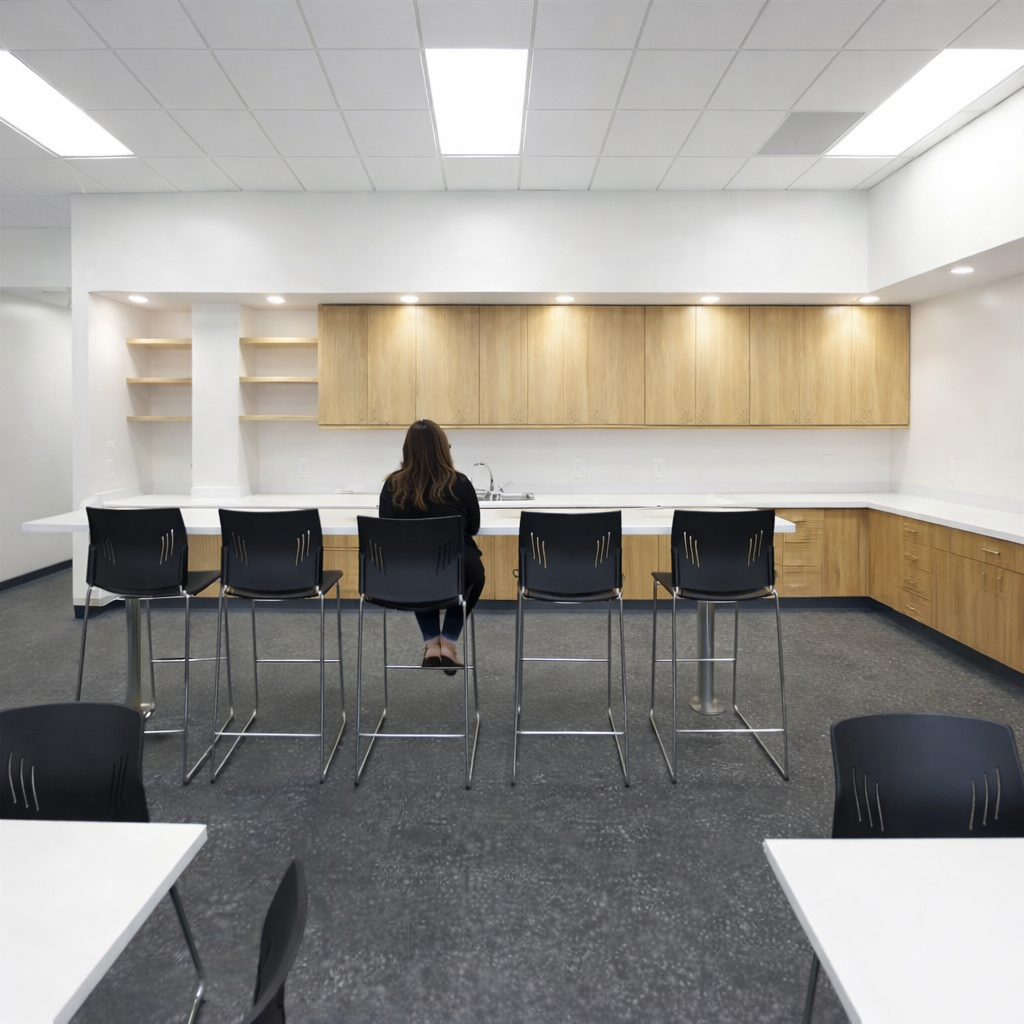
Human-centered spaces are oriented toward views of the Ohio River, making the surrounding landscape collectively accessible during breaks and moments of rest. Break rooms shared by all employees capitalize on these views, reinforcing a sense of equity and connection to place within an industrial environment.
Daylighting strategies further enhance performance and comfort. North-facing glazing in the maintenance bay and private offices provides consistent ambient light that minimizes shadows and reduces reliance on artificial lighting—an essential consideration for high-performing workspaces.
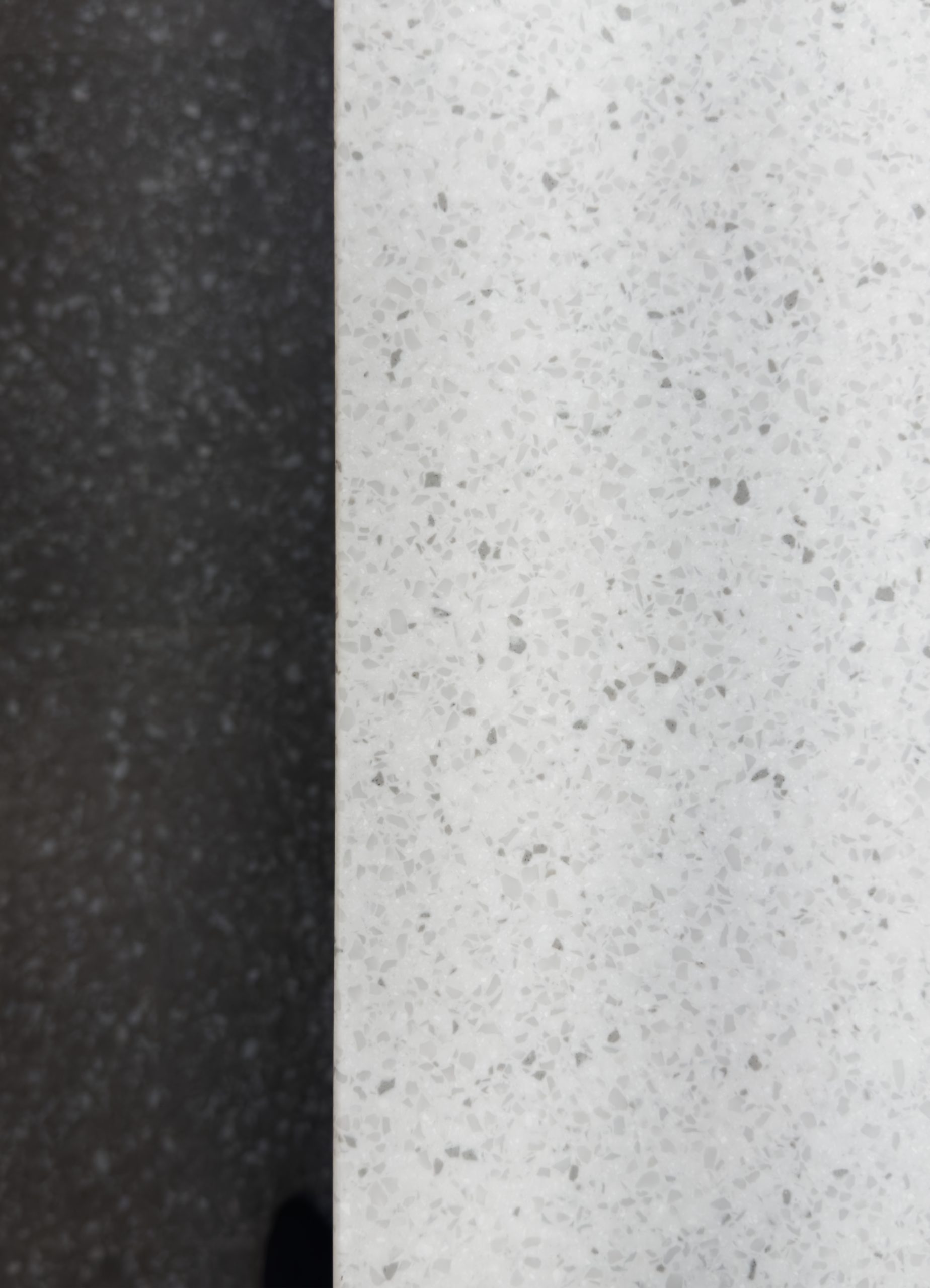
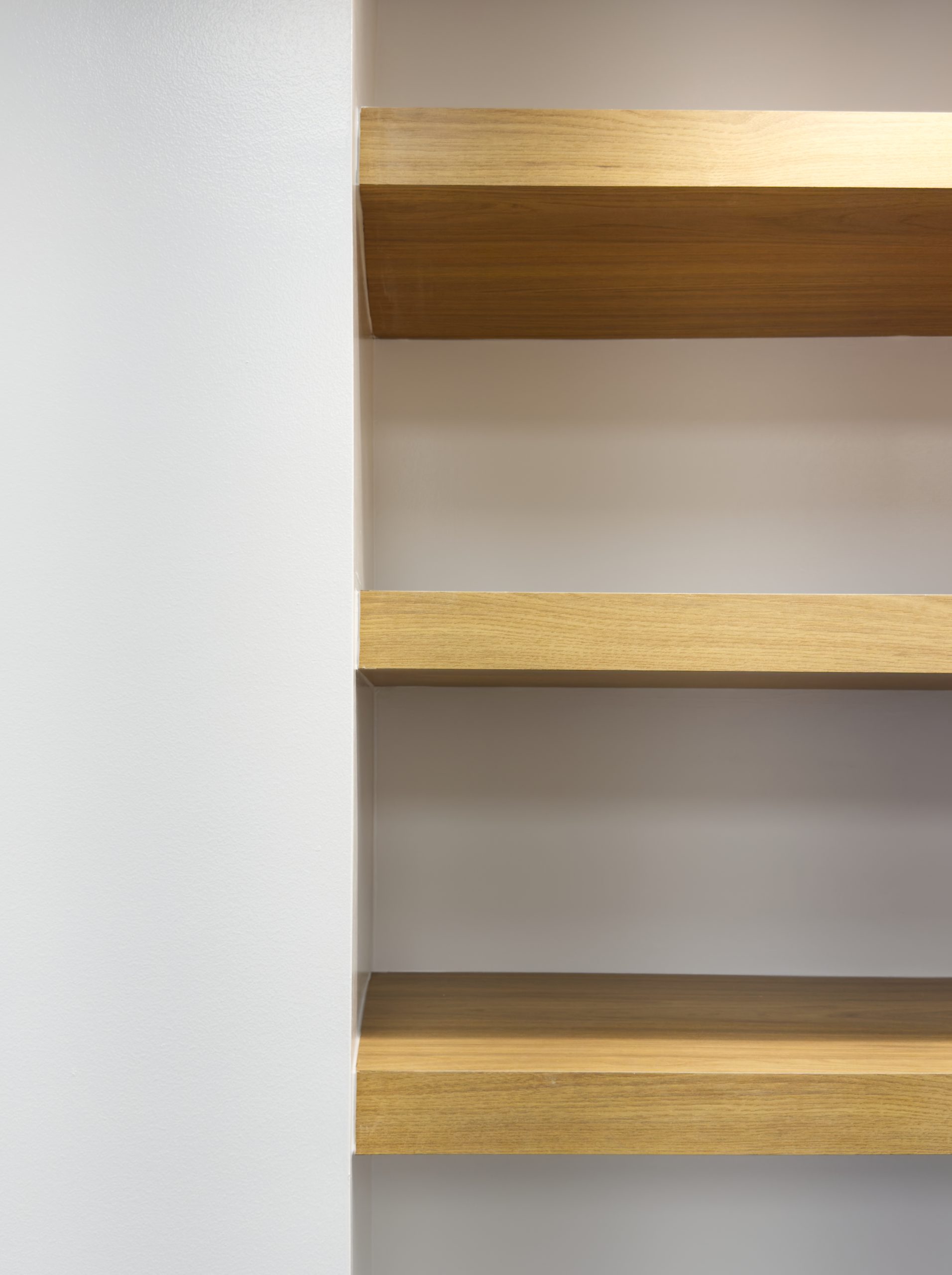
Interior spaces are intentionally simple, modern, and durable. Bright, tidy environments are achieved through clean finishes, enclosed cabinetry paired with selective open shelving, and dark terrazzo-effect VCT flooring that is both easy to maintain and forgiving of dirt tracked in from adjacent gravel roads and parking areas. Furnishings are flexible and adaptable, featuring a mix of stationary high-top tables for bar-height seating or catered events, alongside movable tables and chairs that allow the space to shift between café-style layouts and larger communal gatherings.
Together, these strategies result in an addition that balances economy and performance while introducing spaces of human scale and comfort—an architectural appendage that supports the workforce at the heart of Metals USA’s industrial operations.
The Role of Architecture
An architect’s work begins with understanding the needs of the client and the purpose of the building. The process involves conceptualizing ideas, creating blueprints, selecting materials, and ensuring the design meets safety, regulatory, and environmental standards. Good architecture not only meets practical requirements but also enhances the user’s experience and complements its surroundings.
Evolution Through Time
Architecture has evolved over centuries, influenced by culture, technology, and resources. Ancient Egyptian pyramids, Gothic cathedrals, Renaissance palaces, and modern glass towers each tell a story about the era they were built in. Every style reflects the values and priorities of its time, from grandeur and power to minimalism and sustainability.